
Guesthouse Pihlajapuu – Where Finnish Rural Hospitality Becomes Culinary Heritage
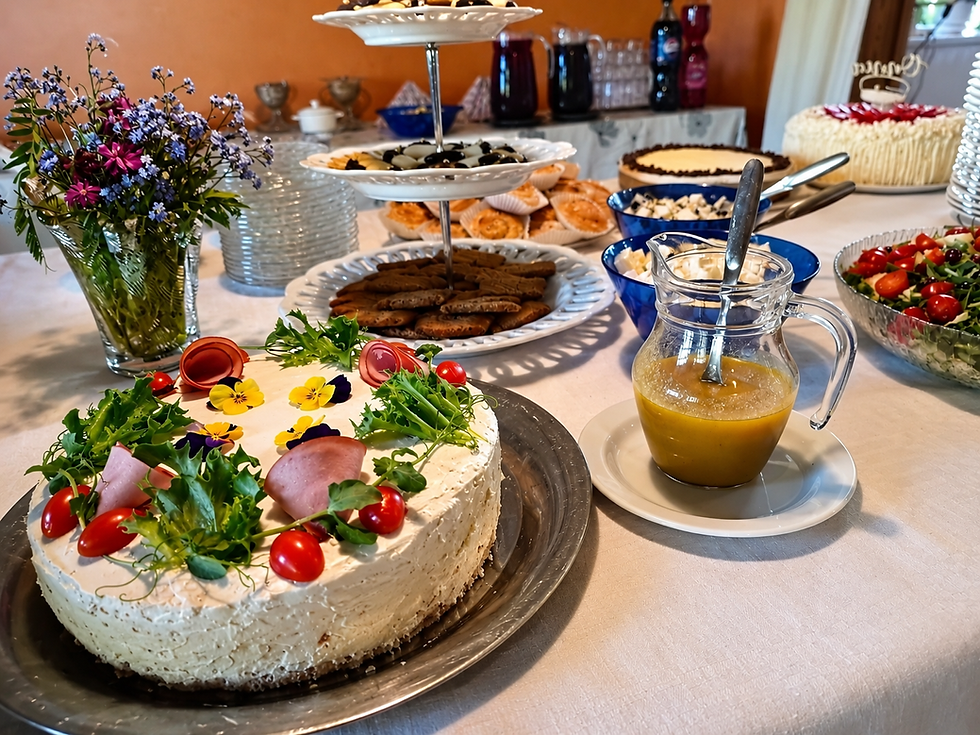
In the forests and lakescapes of North Karelia, food is never only food. It is season, memory, landscape and welcome. At Guesthouse Pihlajapuu in Nurmes, this becomes visible in the most natural way: through warm hospitality, home-style meals, wild ingredients, local producers and stories that connect guests to the rhythm of rural Finland.
Now certified by the Culinary Heritage network, Guesthouse Pihlajapuu represents a deeply authentic way of experiencing local food culture. This is not a place built around fine dining spectacle. Its strength lies elsewhere - in sincerity, in seasonality, and in the feeling of being welcomed into a living rural tradition.
The guesthouse is located in a former village school, surrounded by forests, fields and quiet countryside. This setting is not simply a backdrop; it is part of the culinary experience itself. The food served here reflects the environment around it: berries, mushrooms, wild herbs, local fish, preserved products, garden produce and ingredients from nearby producers all contribute to a cuisine that feels closely tied to place.
More than 70 percent of the ingredients are described as hyper-local, coming from the guesthouse’s own garden, nearby producers, local fishermen, hunting clubs and the surrounding wild food landscape. This creates a direct and honest connection between the meals and the region. What guests taste is not an abstract idea of Finnish cuisine, but the specific character of North Karelia.
Seasonality is central to the experience. Breakfasts, full-board meals, group menus and catering services are adapted according to what is available from the garden, forest, lakes and local suppliers. In summer and autumn, guests may also take part in activities such as berry picking, mushroom foraging and outdoor cooking. In this way, seasonal food becomes more than something served on a plate — it becomes part of the journey.
The kitchen draws strongly on Finnish home cooking and Karelian food traditions. Pastries, stews, preserved berries, fish dishes and family-rooted recipes form the foundation of the food identity. The style is generous, warm and recognisable: food that carries memory, not performance. Handmade and preserved elements add depth and cultural meaning, reminding guests that rural food traditions are often built on care, patience and knowledge passed quietly through generations.
A defining quality of Guesthouse Pihlajapuu is its personal hospitality. Guests are not only served meals; they are welcomed into stories. The people behind the experience explain ingredients, traditions and local ways of life with warmth and knowledge. This storytelling gives the food greater meaning and allows visitors - whether from Finland or abroad - to understand the cultural world behind what they are eating.
The wider experience is equally important. Forest walks, sauna culture, nature-based activities and the calm atmosphere of the former village school all contribute to a holistic rural encounter. Here, the dining experience cannot be separated from the surroundings. Food, nature, hospitality and local culture belong together.
Guesthouse Pihlajapuu is also closely connected to the work of Äksyt Ämmät, recognised as a pioneer in sustainable tourism in Finland. Responsibility is woven into the whole business model: small-scale operations, local sourcing, wild food use, waste sorting and strong community cooperation all support a form of tourism that benefits the surrounding region rather than standing apart from it.
Local residents, producers, fishermen, hunters, cultural actors and small-scale networks all form part of the value chain. Tourism income is directed back into the local economy, strengthening both regional resilience and the social dimension of culinary heritage. This makes Guesthouse Pihlajapuu not only a place to stay and eat, but also a thoughtful example of how rural tourism can support local communities.
What makes this certification especially meaningful is that Guesthouse Pihlajapuu shows how Culinary Heritage can be expressed through a complete experience rather than through a restaurant concept alone. It is the combination of accommodation, meals, activities, storytelling, sustainability and sense of place that gives the business its strength.
For guests seeking polished luxury, this may not be the point. For those seeking something more meaningful - a genuine encounter with Finnish rural life, North Karelian food culture and heartfelt hospitality - Guesthouse Pihlajapuu offers something rare.
It is a place where breakfast may carry the taste of the forest, where stories are shared around the table, where the seasons guide the kitchen, and where local culture is not presented as decoration, but lived as everyday practice.
In that quiet honesty lies its culinary heritage.


Comments